 DDungDDang Family
Throwing Together Some Kimchi Stew
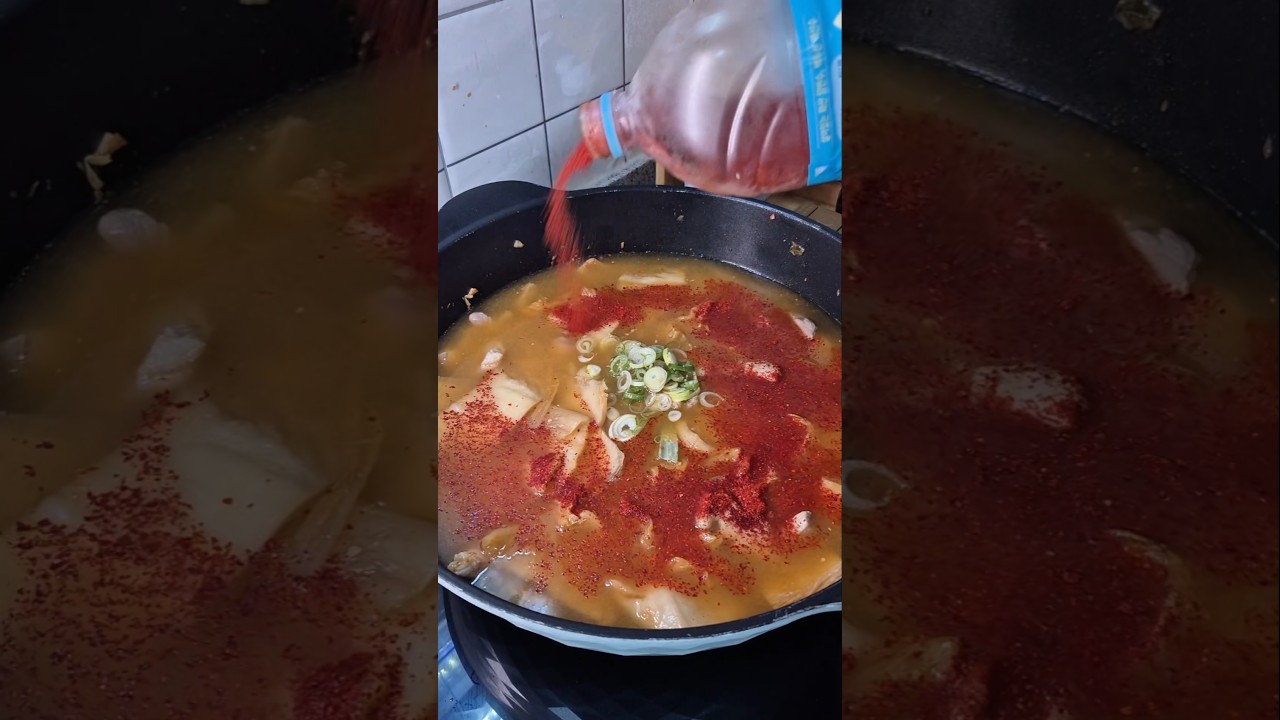 Play the video
Easy Kimchi Stew Recipe: Ingredients and Tips for Getting the Flavor Just Right
Background and tips the video could not fit in — written out.
Kimchi stew is a familiar home-cooked dish, but its flavor can vary a lot depending on how fermented the kimchi is and how much water you use. If you came across the 34-second video “Making Kimchi Stew the Easy Way” by “Alkongdalkong Ttungdanjee,” you may be wondering about a simple way to make it. Since the title and tags provided don’t reveal the actual ingredients or cooking steps, we’ve put together some general tips for making kimchi stew at home.
Choosing Kimchi for Kimchi Stew
Kimchi that’s moderately fermented and pleasantly tangy generally works well in kimchi stew. Less-fermented kimchi tastes fresh and crunchy, but may not develop the same depth of flavor as it simmers. Since saltiness and seasoning vary from one kimchi to another, it’s better to taste the stew as it cooks and adjust the seasoning afterward rather than deciding how much to add at the start. For safety, discard kimchi if you see mold or suspect it has spoiled—don’t try to make it safe by heating it.
Simple Ingredients to Get Started
The ingredients below aren’t from the video; they’re common options for making kimchi stew.
If the kimchi is already well-seasoned, try simmering it first without adding any extra seasoning. Balancing the overall flavor matters more than adding lots of ingredients.
- Main ingredients: kimchi, water or broth
- For extra savory flavor: choose pork, canned tuna, or mushrooms
- For a soft texture: tofu
- For added aroma: green onion, minced garlic
Cooking Steps for Beginners
If you’re using pork, one method is to stir-fry it in a pot first, add the kimchi and cook them together, then pour in water or broth. Once the kimchi has softened to your liking, add tofu and green onion to finish. If you’re using canned tuna, you can skip the step of stir-frying the meat. Cook pork thoroughly all the way through, and use separate utensils for raw meat and other ingredients.
How to Adjust the Broth and Seasoning
Adding too much water at once can dilute the flavor of the kimchi, so it’s easier to start with just enough to cover the ingredients and add more as needed. The broth will become more concentrated as it simmers and liquid evaporates, so check the flavor at the end.
The key is to check how salty and tangy the kimchi is before adding more seasoning.
If it tastes bland, add a little soup soy sauce or salt at a time. If it’s too salty, add water and more unseasoned ingredients to balance it out.
What to Do If It Tastes Too Sour
Adding a lot of sugar to counter strong sourness can make the stew too sweet. First, try ingredients that mellow the flavor, such as tofu or onion. If you still want a touch of sweetness, add only a small amount at a time. Red pepper flakes can add heat and color, but adding more won’t necessarily make the stew taste more savory.
Storing Leftover Kimchi Stew
Don’t leave leftover stew at room temperature for a long time. Divide it into shallow containers, cool it quickly, and refrigerate it. When you’re ready to eat, take out only the amount you need and reheat it thoroughly. Since you can’t reliably tell if food is safe just by its smell, it’s safest not to eat it if you’re unsure how it was stored.
What to Look for in the Video
Since it’s a short, 34-second cooking video, watch for the order in which ingredients are added, how much water is used, and whether the cook adjusts the seasoning at the end. Notice what simple steps the title’s “the easy way” refers to. If exact quantities aren’t given, adjust a little at a time to suit the kimchi you have at home.
About this video
A casual, no-fuss preparation of kimchi stew.
At a glance
| Published | 2026.09.20 |
|---|---|
| Length | 0:34 |
| Category | Shorts · DDungDDang Family |
Watch these next

Play the video
You can watch it right here.