 DDungDDang Family
Traditional Market Blood Sundae (Pisundae)
 Play the video
Traditional Market Blood Sausage: How It Differs from Regular Sundae and Tips for Enjoying It
Background and tips the video could not fit in — written out.
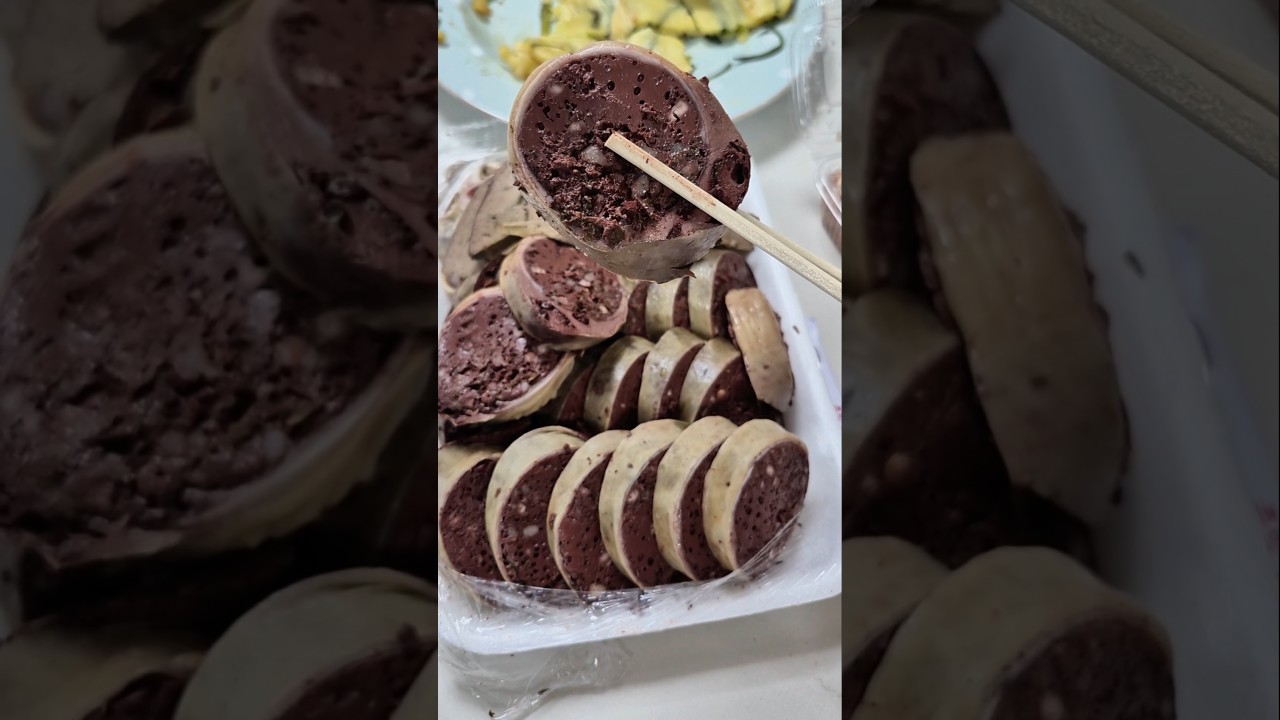
How is pi-sundae, a traditional market favorite, different from regular Korean sundae? This 13-second video is titled “Traditional Market Pi-sundae,” with pi-sundae, sundae, coagulated blood, and traditional markets as its key topics. There’s no description, so we can’t tell what’s distinctive about a particular market or shop. But we can still learn what to look for in pi-sundae’s ingredients and flavor, and what to keep in mind when choosing some at a market.
What is pi-sundae?
Pi-sundae is a type of Korean sausage that uses seonji, or coagulated pig’s blood, as a main ingredient. Typically, seonji is mixed with vegetables, grains, or other ingredients to make a filling, which is then stuffed into intestines or a similar casing and cooked. However, the ingredients and proportions vary by region and maker, so two products with the same name won’t necessarily taste or feel the same. Asking what ingredients are used can help you choose a sundae that suits your taste.
How it differs from glass-noodle sundae
The glass-noodle-based sundae commonly found at snack shops is known for its springy, chewy texture. With pi-sundae, the distinctive flavor of seonji and the texture of the filling tend to shape the taste. That said, it’s not safe to assume that all pi-sundae is made without glass noodles or that it’s always soft.
- If you like the chewiness of glass noodles, check what goes into the filling.
- If the rich flavor is unfamiliar, try a small amount first.
- The casing’s thickness and the filling also affect the texture.
What changes when seonji is added?
Seonji is a food made from coagulated blood and is used not only in sundae but also in soups and stews. In pi-sundae, it affects the color, flavor, and texture of the filling. However, you can’t judge the amount of seonji or the freshness just by how dark the color is. Although it contains iron, pi-sundae shouldn’t be presented as a food that improves specific symptoms. If you have a health concern such as anemia, consult a medical professional.
What to check when choosing some at a traditional market
Just as important as the atmosphere of the market is how the food is prepared and stored. Decide first whether you’ll eat it right away or take it to go, and if you’re taking it with you, factor in your travel time.
- Check whether cooked food and raw ingredients are handled separately.
- Make sure the tongs, knives, and display area are clean.
- If you have allergies, ask about filling ingredients such as grains and seasonings.
Availability, facilities, and operating information can change, so check official information before visiting.
How to enjoy it and store it safely
Try a piece without any seasoning first, then add a little salt or a side at a time to get a better sense of its original flavor. Dipping sauces and side dishes can vary by region and shop.
Don’t leave packaged sundae at room temperature for a long time. If you’re not going to eat it right away, refrigerate it promptly.
When eating leftover sundae, heat it thoroughly all the way through. You can’t be sure it’s safe based on smell or appearance alone, so if you’re unsure how it was stored, it’s safer not to eat it.
What to look for in the video
The topics indicated by the video’s title and tags are traditional market pi-sundae and seonji. When watching this short video, look for whether it shows a cross-section of the sundae or reveals what’s inside. However, you can’t determine the exact ingredient proportions or cooking method just from the color and texture on screen. It’s best to watch it casually as an introduction and compare it with regular sundae.
About this video
A traditional market features Korean blood sausage, known as pisundae.
At a glance
| Published | 2026.05.07 |
|---|---|
| Length | 0:13 |
| Category | Shorts · DDungDDang Family |
Watch these next



Play the video
You can watch it right here.