 DDungDDang Family
The Real Jjaroni
 Play the video
What Is Jinjjajjaroni? The Jin Ramen–Jjajjaroni Combo and Cooking Tips
Background and tips the video could not fit in — written out.
What kind of flavor does the name “Jinjjajjaroni” bring to mind? A 20-second video from 알콩달콩 뚱딴지네 sparks curiosity about a ramen combo through its title and the tags “Jin Ramen, Jjajjaroni, jjajang ramen.” There’s no description, so the actual ingredient ratios and cooking method can’t be confirmed. Here are some general guidelines to keep in mind when combining two kinds of ramen.
Jinjjajjaroni: The Combo Suggested by the Name
Based on the tags, “Jinjjajjaroni” sounds like a combination of Jin Ramen and Jjajjaroni. You might imagine bringing together the spicy, savory seasoning of soup ramen and the rich sauce of jjajang ramen. However, the title alone doesn’t tell us exactly how the video uses the two products. The tips below are general cooking guidance, not a recipe from the video.
Soup or Stir-Fry Style? Decide First
When combining two kinds of ramen, it helps to decide what style you’re going for before you start. A soupy version and a tossed version where the sauce clings to the noodles call for different amounts of water.
Be careful not to overcook the noodles by adding too much water and simply boiling it down.
- Soup style: Adjust the water gradually and check the seasoning’s strength.
- Tossed style: Set aside some noodle water to loosen the sauce if it gets too thick.
Add the Seasoning Gradually, Not All at Once
Using all the seasoning packets from both kinds of ramen can make the dish too salty or spicy. It’s easier to find the flavor you want if you use the jjajang sauce as your base and add small amounts of the other seasoning as needed. Since the contents and cooking instructions vary by product, check the package directions first.
When mixing flavors, it’s easier to adjust if you add the seasoning a little at a time and taste as you go, rather than pouring it all in at once.
Noodle Texture and When to Mix in the Sauce
If the noodles have different thicknesses or recommended cooking times, cooking them together may leave them with different textures. Compare the instructions for each product, and account for the time needed to heat the noodles with the sauce. Be careful of hot steam and the weight of the pot when draining the water. When there’s very little water left, the seasoning can stick to the bottom, so lower the heat and stir thoroughly.
Add-Ins and Checks Before Eating
Eggs and vegetables are good options to serve with ramen. Vegetables that release water, such as cabbage and onion, can affect the sauce’s consistency, so try a small amount at first.
Check the nutrition information on the package, including sodium. If you need to adjust your diet because of a health condition, consult a healthcare provider or nutrition professional.
- If you add eggs or meat, cook them thoroughly before eating.
- If you have allergies, check the ingredient labels for both products and any add-ins.
- If sharing with children, check the spiciness and food temperature first.
What to Look for in the Video
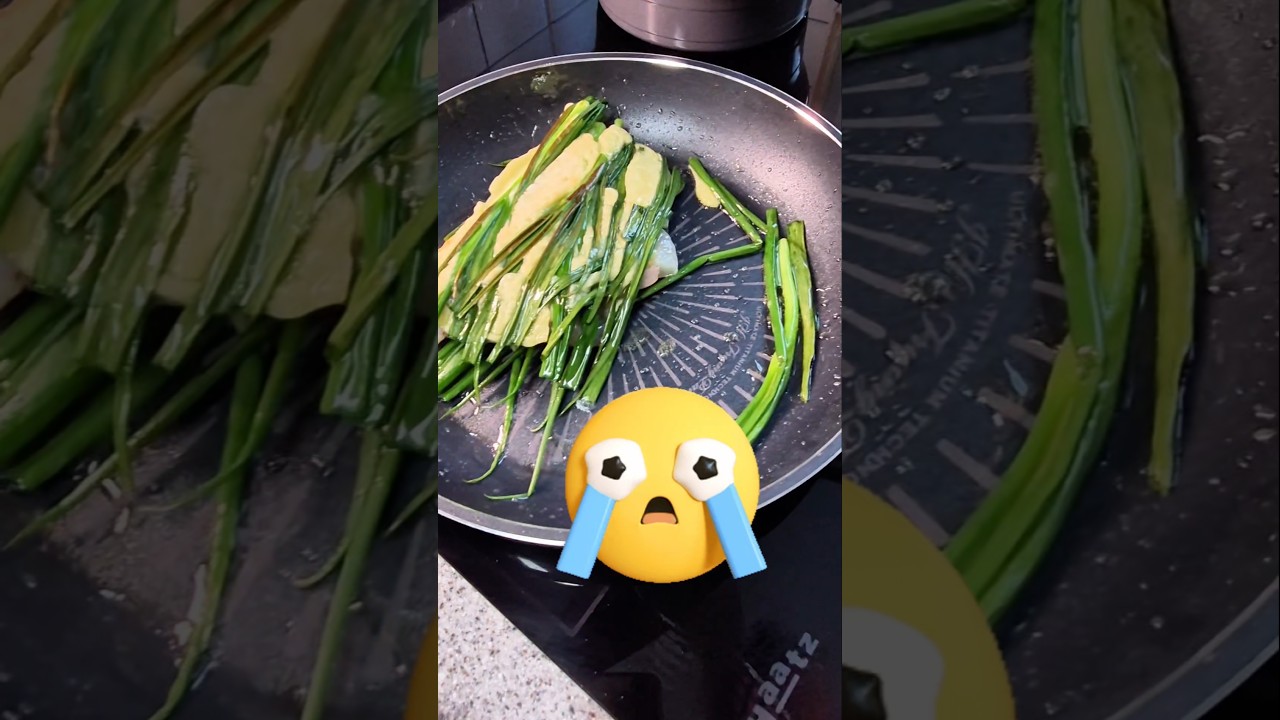
See how the 20-second video brings the name “Jinjjajjaroni” to life. If it shows the cooking process, look for the amount of water, the order in which the seasonings are added, and the consistency of the finished noodles. For ratios or cooking times that aren’t clear in a short video, it’s best to follow each product’s cooking instructions rather than guess.
At a glance
| Published | 2026.05.19 |
|---|---|
| Length | 0:20 |
| Category | Shorts · DDungDDang Family |
Watch these next


Play the video
You can watch it right here.