 DDungDDang Family
Jjapagetti: A Pro's Way to Eat It
 Play the video
Jjapagetti Combos for Foodies: Tips for Scallion Kimchi, Cheese, and a Runny Fried Egg
Background and tips the video could not fit in — written out.
Wondering how to make Jjapagetti even tastier? Try pairing it with scallion kimchi, cheese, or a runny fried egg. The 12-second video “Jjapagetti Foodie Tips” by Al콩달콩 뚱딴지네 gives us a clue from its title and tags that it’s about jjajang ramen and toppings. Rather than making assumptions about the actual cooking process or tasting reactions, here are some general tips for using the ingredients mentioned in the tags.
Jjapagetti or Jjajaroni: How to Choose?
Jjapagetti and Jjajaroni are both options that may come to mind when choosing jjajang ramen. However, the sauce ingredients and recommended cooking methods can vary by product, so it’s best to check the package instructions rather than cook them both the same way. When comparing them, consider the balance of saltiness and sweetness, the texture of the noodles, and how well the sauce coats them. It’s easier to spot the differences if you try the noodles plain first, without any toppings.
Add Scallion Kimchi a Little at a Time
The pungent aroma and tang of scallion kimchi contrast with the rich jjajang sauce. Its spiciness and sourness vary depending on how long it has fermented, so try it a bite at a time instead of mixing in a lot from the start. Adding the kimchi brine can also change the seasoning and moisture of the noodles.
- Cut long scallions into bite-size pieces
- Set some aside on a separate plate before mixing it into the jjajang ramen
- Skip extra seasoning if the dish already tastes strongly seasoned
Balance Matters More Than the Amount of Cheese
Cheese can add a savory richness and creamy texture to jjajang ramen. On the other hand, too much can overpower the aroma of the jjajang sauce or make the dish taste too salty. Sliced cheese and shredded cheese melt differently and have different textures, so choose based on the texture you prefer. A good approach is to add a small amount while the noodles are hot, then taste and add more if you like.
It’s easier to find a combination that suits your taste if you add toppings one at a time instead of piling them all on at once.
Enjoy a Runny Fried Egg Safely
When mixed with the noodles, the yolk of a runny fried egg can make the sauce feel smoother, while the white adds a bit of chew. However, runny eggs carry a higher risk of food poisoning than eggs cooked through. For young children, pregnant people, older adults, and anyone with a weakened immune system, it’s safer to cook both the white and yolk thoroughly. Wash your hands and cooking utensils well after handling eggs, too.
Check the Water Level and Topping Order
The amount of water left at the end of cooking affects how thick the sauce will be. First follow the instructions on the package, and if the sauce is too thick, add a little of the reserved noodle water at a time. The noodles can get soggy if they sit too long while you prepare the toppings, so it’s a good idea to get the scallion kimchi and cheese ready beforehand. Once the dish is done, taste it plain first, then add cheese or egg to make it easier to compare how the flavors change.
What to Look for in the Video
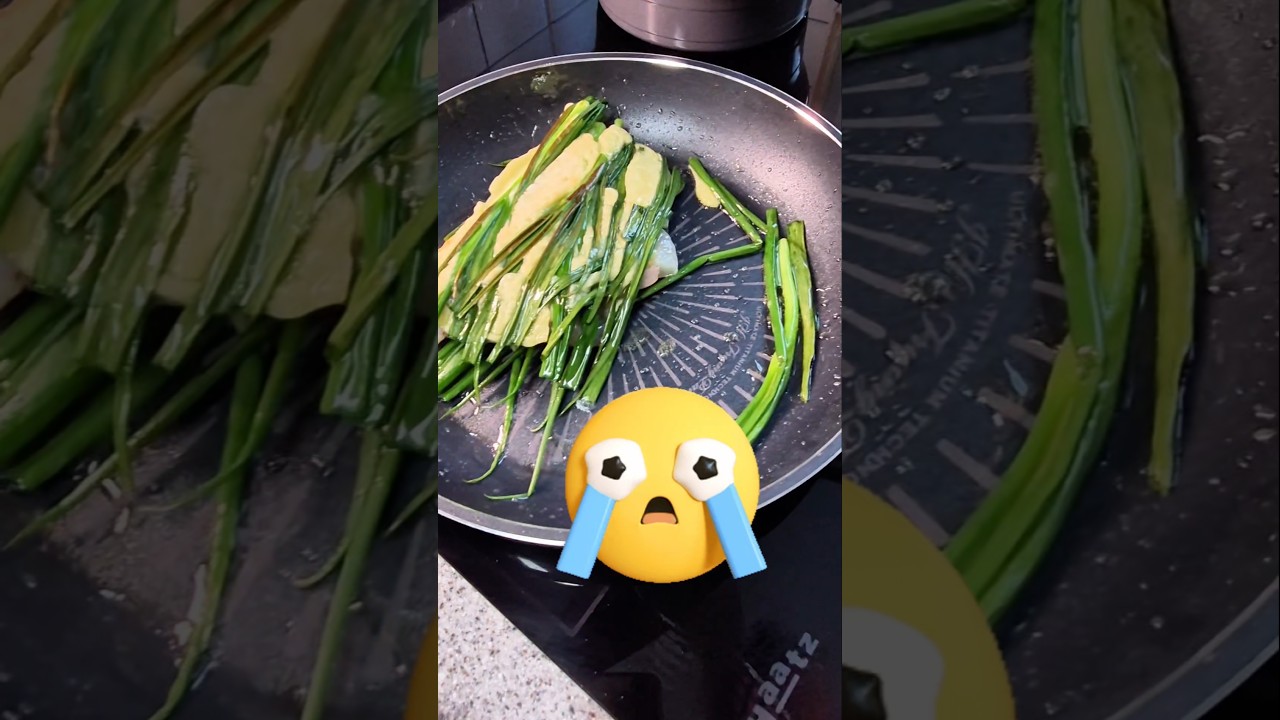
“Jjapagetti Foodie Tips” is a short, 12-second video. The title and tags alone don’t tell us exactly which ingredients were used or how they were prepared. As you watch, look out for whether it features scallion kimchi, cheese, or a runny fried egg, and whether they’re mixed into the noodles or served on the side. Even a short clip can be fun to watch for ideas you can adapt to your own taste.
About this video
A short video about a Jjapagetti food connoisseur.
At a glance
| Published | 2026.07.13 |
|---|---|
| Length | 0:12 |
| Category | Shorts · DDungDDang Family |
Watch these next


Play the video
You can watch it right here.