 DDungDDang Family
Hangeo Sashimi (Leather Carp)
 Play the video
Getting to Know Hyang-eo Sashimi: Its Characteristics and Safety Tips for Raw Freshwater Fish
Background and tips the video could not fit in — written out.
When you search for hyang-eo sashimi, you may first wonder what kind of fish it is and how it differs from other sashimi. This video from Alkongdalkong Ttungdanje’s family channel is a short, 15-second clip titled “Hyang-eo Sashimi.” There’s no description, and the tags are “Ujeong Park, hyang-eo, hyang-eo sashimi,” so this article focuses on the fish’s basic characteristics and what to keep in mind when eating freshwater fish.
What kind of fish is hyang-eo?
Hyang-eo is a variety of carp and a freshwater fish that is mainly farmed. It lives in a different environment from saltwater fish such as halibut and rockfish, so it’s helpful to understand it as distinct from the saltwater fish commonly served as sashimi. Even if the name is unfamiliar, thinking of it as a food fish from the carp family makes its basic characteristics easier to understand.
How to assess the taste of hyang-eo sashimi
The texture and flavor of sashimi vary not only by species but also by the fish’s size, farming conditions, handling, and storage temperature. Some people notice an earthy smell in freshwater fish, but not all hyang-eo tastes the same. The video’s title and tags alone aren’t enough to assess its actual taste or freshness.
- When comparing flavors, consider the texture, richness, and aroma separately.
- Strongly flavored sauces can make it harder to distinguish the fish’s own flavor.
- A chewy texture or clean smell does not guarantee that the fish is safe to eat.
Essential safety tips for raw freshwater fish
Eating freshwater fish raw can put you at risk of parasitic infections, including liver flukes. You can’t assume it’s risk-free just because the fish was farmed, and it’s difficult to tell whether parasites are present just by looking at the fish or smelling it.
It’s safer to cook freshwater fish thoroughly all the way through rather than eat it raw.
Having it with spicy dipping sauce or alcohol does not eliminate the risk of parasites. It’s also best not to rely on freezing it in a home freezer as a sure way to make it safe. If you develop unusual symptoms after eating it or are concerned about infection, consult a medical professional and let them know what you ate.
What to check when handling and storing it
Even when you plan to cook the fish, hygienic handling is important. Be careful not to use the knife and cutting board used to prepare raw fish on vegetables or ready-to-eat foods without washing them first.
- Store fish separately from foods that will be eaten without further cooking.
- Wash your hands and cooking tools thoroughly before and after handling the fish.
- Don’t leave it at room temperature for long, and cook it thoroughly all the way through.
Looking for a place based on the Ujeong Park tag?
The tag includes “Ujeong Park,” but that alone doesn’t identify a specific area, restaurant, or filming location. There may be places with the same name, so it’s best to check the location against the area name and map details when searching. For information that can change, such as facilities, fees, or operating schedules, check official sources before visiting.
What to look for in the video
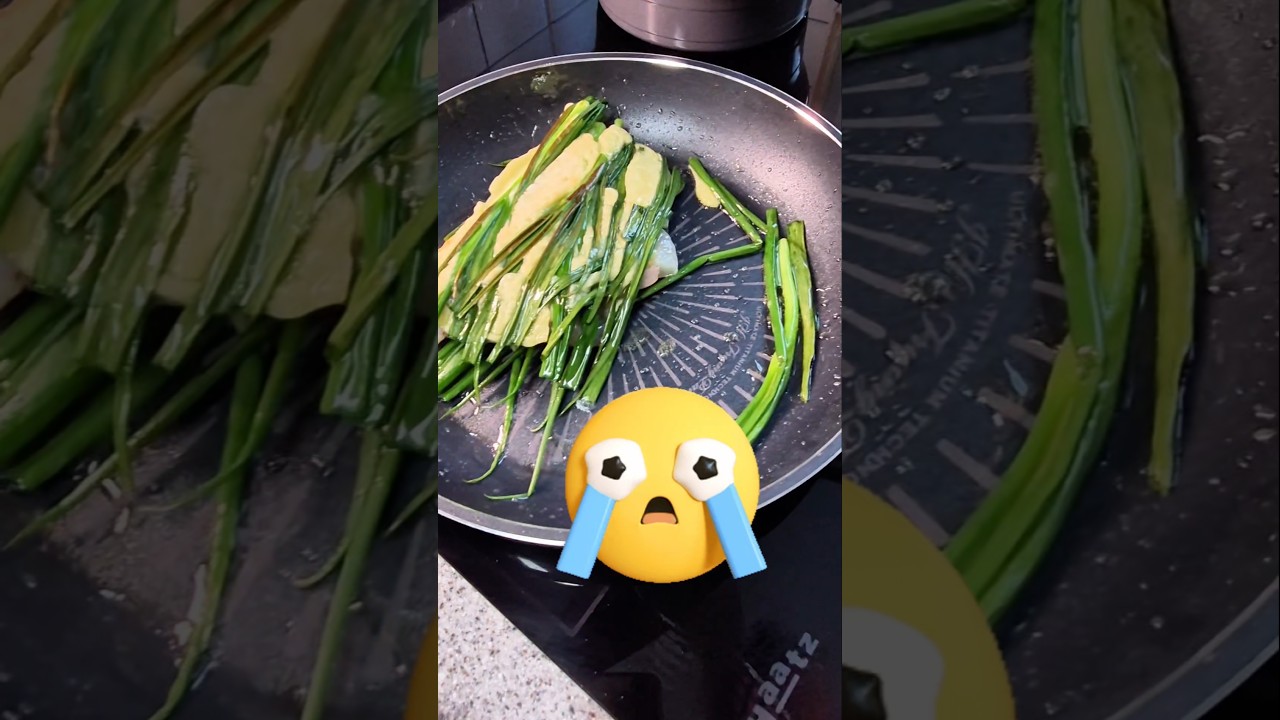
The 15-second video is best viewed as a brief introduction to the topic of hyang-eo sashimi. If the food appears on screen, you may be able to observe how it’s sliced and what it’s served with, but the title and tags alone aren’t enough to determine the exact presentation in advance. Whatever impression the short clip leaves, remember the risks of eating freshwater fish raw and the principle of cooking it thoroughly.
About this video
A short video featuring hyangeo sashimi, a Korean dish made with raw carp.
At a glance
| Published | 2026.06.27 |
|---|---|
| Length | 0:15 |
| Category | Shorts · DDungDDang Family |
Watch these next



Play the video
You can watch it right here.