 DDungDDang Family
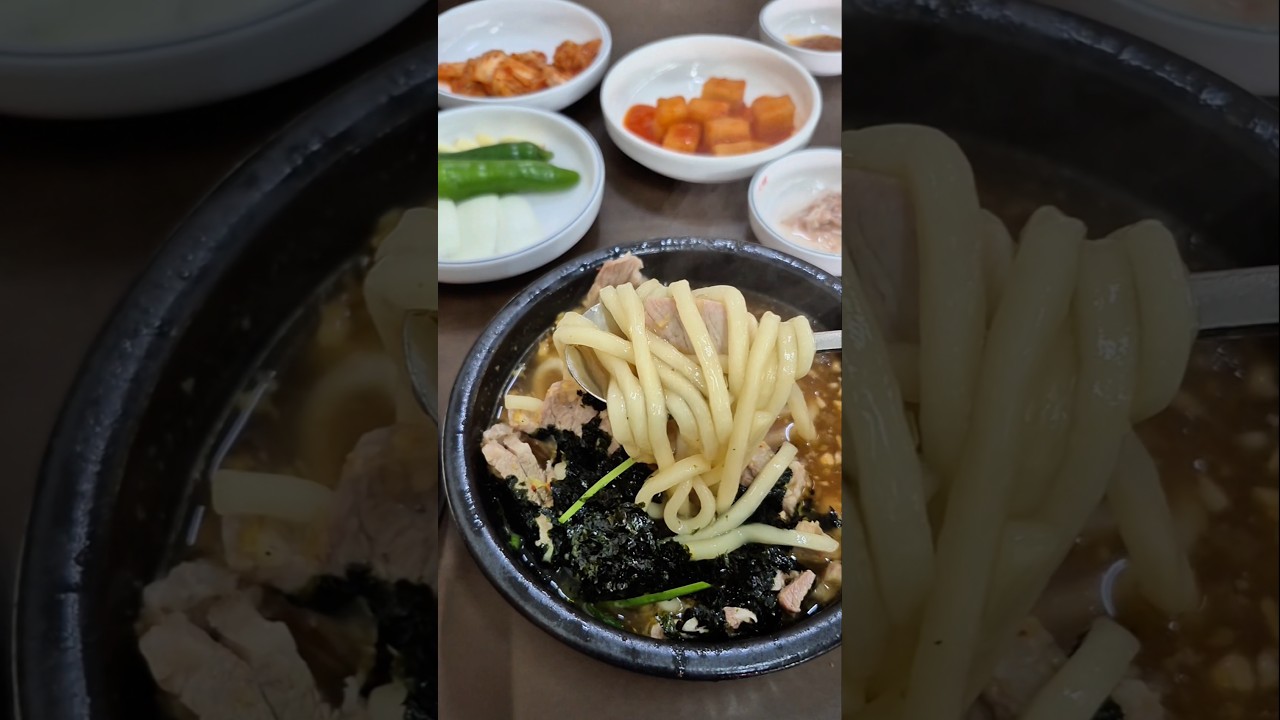
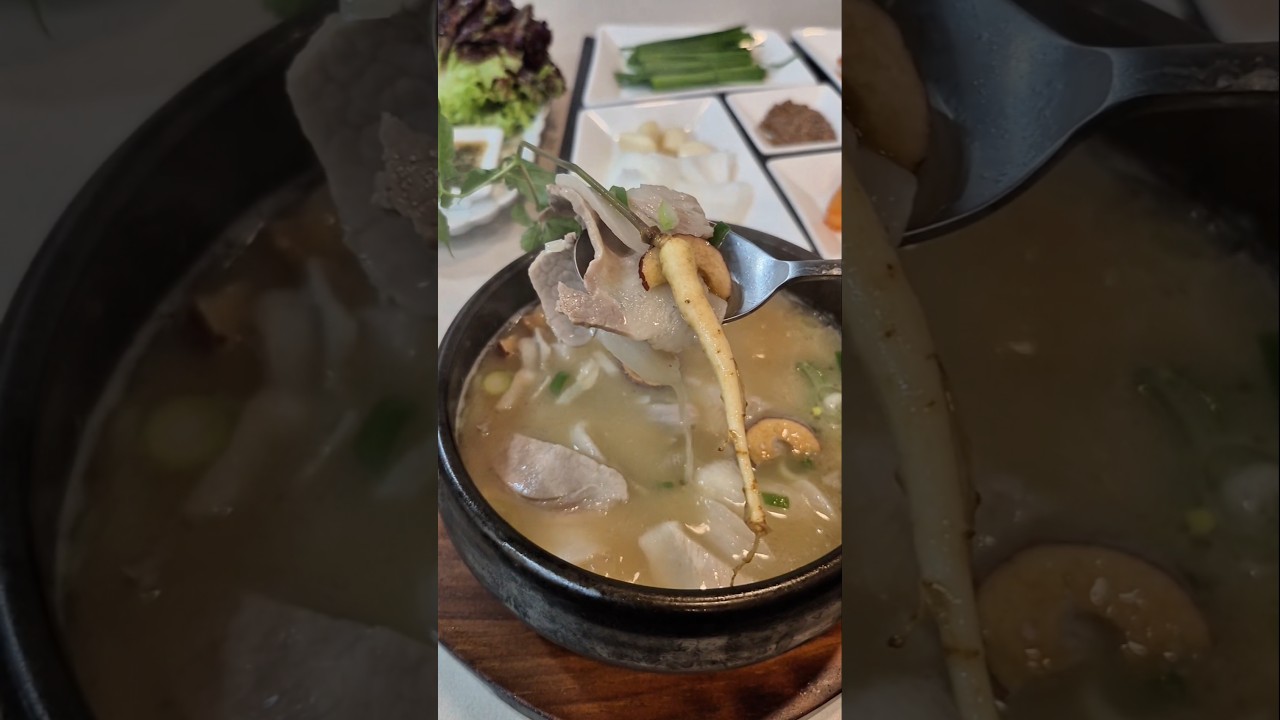
Udon Pork Gukbap
 Play the video
Udon Pork Soup with Rice: How to Enjoy Everything from the Broth to the Sides
Background and tips the video could not fit in — written out.
The title “Udon Pork Soup with Rice” brings to mind a steaming bowl of broth and a hearty meal. This 12-second video from 알콩달콩 뚱딴지네 has no description and is tagged “pork soup with rice,” “udon pork soup with rice,” and “Dongdong Gukbap.” The title alone doesn’t tell us which restaurant it is or exactly what the dish includes, but here are some useful things to know when choosing pork soup with rice, along with tips for enjoying it.
What does “udon pork soup with rice” mean?
“Udon” could refer to noodles, or it could be part of a place name or business name. So it’s best not to assume from the title alone that the pork soup contains udon noodles. The tag “Dongdong Gukbap” is also not enough to identify a particular business. If you’re looking for restaurant information, check the location and business name together, and consult the restaurant’s official information for the actual menu.
Understanding the basics of pork soup with rice
Pork soup with rice is generally a dish of pork in broth, served with rice on the side or with rice mixed into the soup. The color, consistency, and aroma of the broth vary depending on the proportions of bones and meat used and how it is cooked. A milky-looking broth isn’t necessarily richer, and a clear broth isn’t necessarily bland. The cut of meat and how thickly it’s sliced also affect the texture, so tasting the broth and meat separately can help you figure out what you like.
Add seasonings a little at a time
Salted shrimp, spicy seasoning, chives, and perilla seed powder are commonly served with pork soup with rice, but not every restaurant offers the same sides. If seasonings are provided, taste the broth as it is first, then add them a little at a time.
- Salted shrimp can be quite salty, so add it gradually.
- Spicy seasoning can significantly change the broth’s aroma and flavor.
- If you’re having kimchi or cubed radish kimchi with your meal, don’t rush to add more seasoning.
Rather than adding a lot of seasoning right away, taste a spoonful first and adjust it to suit your palate.
Rice and noodles: choose what you like
Eating the rice separately lets you enjoy the textures of the broth and rice individually, while mixing them together lets the rice soak up the broth for a more blended taste. However, it hasn’t been confirmed whether “udon” in this title actually refers to noodles. If you’d like an extra serving of noodles or want to adjust the amount of rice, check whether that’s possible before ordering. If noodles are served, keep in mind that they may absorb the broth over time and change in texture.
Things to keep in mind when dining with family
Let hot broth cool sufficiently before eating, and check the temperature of the bowl as well when serving some to a child. Cut the meat into manageable pieces and check that there are no tough bits. Salted shrimp and side seasonings may contain ingredients that can trigger allergies, so ask about the ingredients if needed. If you need to limit your sodium or fat intake due to a health condition, consult a healthcare professional about what’s appropriate for you. Check official sources before your visit for information that may change, such as the menu, prices, and opening hours.
What to look for in the video
In this 12-second video, look for the food shown in connection with the title and see whether you can make out the broth and its ingredients. However, a short clip can’t tell you the broth ingredients, flavor, or restaurant location. Think of the video as a starting point for exploring pork soup with rice, and check other sources for the details you’ll need before visiting.
At a glance
| Published | 2026.08.12 |
|---|---|
| Length | 0:12 |
| Category | Shorts · DDungDDang Family |
Watch these next


Play the video
You can watch it right here.