 DDungDDang Family
Salt Bread (Shio Pan)
 Play the video
Enjoying Salt Bread: How to Choose, Store, and Reheat It
Background and tips the video could not fit in — written out.
Salt bread is enjoyed for its combination of savory salt and rich butter. The name may be simple, but its character can vary depending on the dough’s texture, the butter’s flavor, and the salt sprinkled on top. This week’s video from Alkongdalkong Ttungttanji is a short, 11-second feature about “salt bread.” Since it doesn’t include any additional explanation, rather than introducing a particular shop or recipe, we’ve put together some useful information to keep in mind when choosing and storing salt bread.
What is salt bread?
It’s commonly made by rolling butter into the dough and baking it with salt on top. As the butter melts during baking, it can soak into the bottom, giving it a rich flavor and crispy texture. However, recipes and shaping methods vary, so not every salt bread has a hollow center or a crispy bottom.
What to look for when comparing flavors
Rather than choosing salt bread based only on how salty it is, it’s helpful to consider the overall balance.
Even breads with the same name can differ from one bakery to another, so part of the fun is finding what you like.
- Outside: Check whether the crust is thin and crispy or on the softer side.
- Inside: Compare whether it tears apart easily or has a pleasantly chewy bite.
- Flavor: Notice whether the butter aroma or the saltiness stands out more.
What to check when buying
It’s easier to choose if you first decide whether you’ll eat it right away or later. Variations with fillings may have different storage requirements from basic salt bread, so check the product information. It’s also a good idea to look for allergy-causing ingredients such as wheat and milk. The use of eggs or nuts may also vary by product. For information that can change, such as availability and price, check the official details before visiting.
Storing leftover salt bread
Store only as much as you’ll eat, and let warm bread cool completely before wrapping it.
Sealing it while it’s still hot can cause condensation, making the crust soggy. If you won’t eat the bread right away, wrap each piece individually and freeze it so it’s easy to take out as needed. Refrigeration can make bread go stale faster and affect its texture, but for products containing perishable ingredients such as cream, follow the storage instructions on the label.
Tips for bringing back its crispness when reheating
An oven or air fryer can help restore a crispy exterior. Results vary considerably depending on the appliance and the size of the bread, so heat it briefly and adjust as you check its condition. Butter may drip out, so it’s best to use a tray or liner that’s suitable for your appliance and follow its instructions. A microwave is convenient, but heating for too long can make the bread tough, and it can only do so much to make it crispy.
What to eat with it and how to enjoy it
Pairing salt bread with a mild drink can make it easier to appreciate the bread’s own flavor. You can also add a little sweet jam to enjoy the contrast with its savory taste. Since the bread already contains butter and salt, add any extras a little at a time to suit your taste. When sharing with family, you could cut it into bite-sized pieces and compare everyone’s preferences.
What to look for in the video
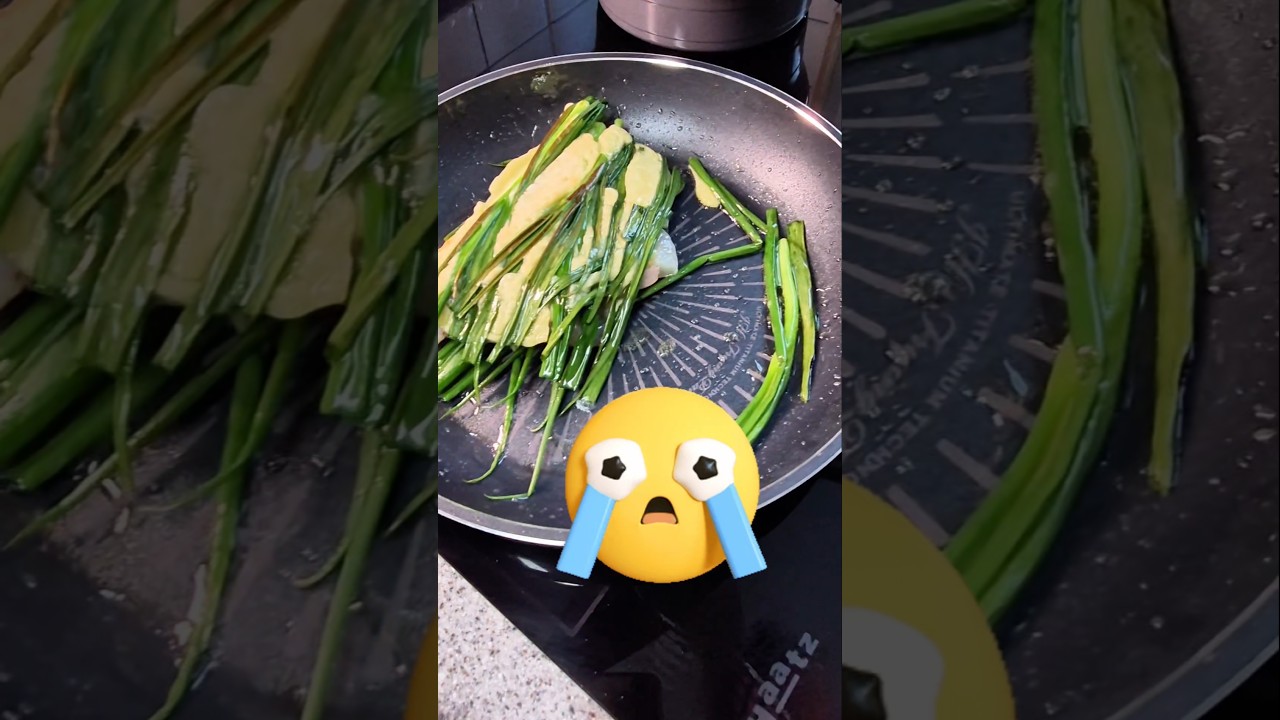
Take a quick look at how the salt bread is framed and what it looks like in the 11-second video. The title and tags alone don’t tell us whether it includes a cross-section, a tasting scene, or the preparation process. Focus on the features you can actually see on screen, and follow the product instructions when storing and reheating it.
At a glance
| Published | 2026.04.28 |
|---|---|
| Length | 0:11 |
| Category | Shorts · DDungDDang Family |
Watch these next



Play the video
You can watch it right here.