 DDungDDang Family
Ppogol Ppogol
 Play the video
Kimchi Jjigae vs. Jjageuli: Tips for a Bubbling, Delicious Dish
Background and tips the video could not fit in — written out.
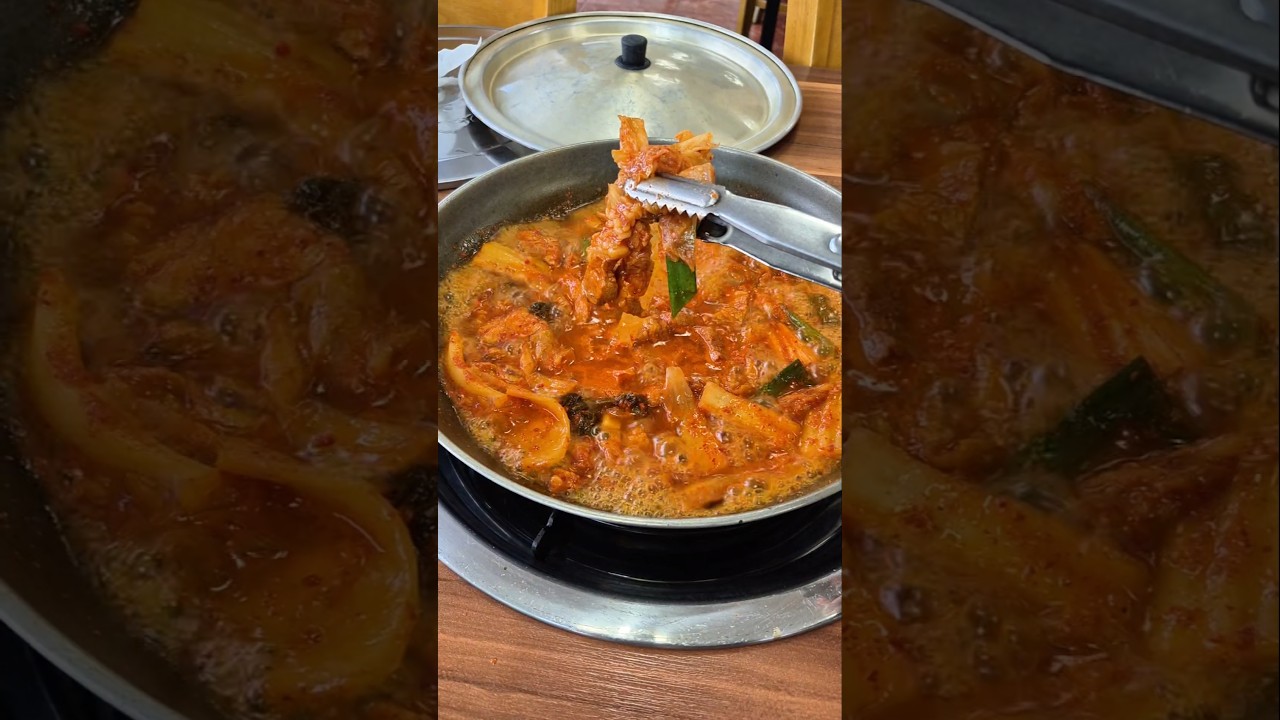
The 8-second video “Bubbling Away” from “알콩달콩 뚱딴지네” has no description, but it is tagged with “kimchi jjigae,” “jjageuli,” and “bubbling.” The title and tags bring to mind a bubbling kimchi dish. Since this information alone doesn’t tell us the actual ingredients or cooking process, let’s look at the general differences between kimchi jjigae and jjageuli, along with tips you can use at home.
What’s the difference between kimchi jjigae and jjageuli?
Kimchi jjigae is generally served with enough broth to eat alongside the other ingredients, while jjageuli is made with less liquid so the ingredients simmer in a thick, rich sauce. The distinction isn’t always clear-cut, though, since cooking methods vary from household to household. Rather than focusing on the name, it’s easiest to choose based on how much broth you want and how you plan to eat it.
- Choose kimchi jjigae if you want to enjoy the broth and ingredients together
- Choose jjageuli if you want hearty ingredients and a rich sauce to go with rice
Adjust the flavor to suit your kimchi
How ripe and salty your kimchi is can have a big effect on the broth’s flavor. Well-fermented kimchi has a pronounced tang, while less-ripe kimchi tastes relatively fresh. If the kimchi is very sour, try adjusting the amount of water and other ingredients together rather than adding lots of sugar right away. If you want to add sweetness, add a little at a time and taste as you go. Kimchi brine can also be salty, so don’t pour in too much at once.
Add ingredients and seasonings gradually
Pork, tofu, onion, and green onion are commonly used, but you don’t need to include all of them. Pork adds depth, tofu gives the dish a soft texture, and onion becomes sweeter as it cooks. You can cook the dish with water, or use stock to add savoriness. Keep in mind, though, that using several kinds of seasoned stock and condiments can make it too salty.
As the broth reduces, the seasoning gets stronger too, so it’s best to adjust the flavor little by little at the end rather than trying to get it just right from the start.
How to control the heat for a bubbling simmer
If you keep the heat high after the stew starts boiling, the liquid can evaporate quickly and the bottom may scorch. Once it comes to a boil, lower the heat so the ingredients can cook through. This is especially important with jjageuli, which has less broth, so check the bottom of the pot from time to time. Add water in small amounts as needed. If you’re using meat, don’t rely on bubbles or the color of the broth to tell whether it’s done—make sure the center is fully cooked.
Safety and storage for family meals
Hot broth can splatter, so keep your face away from the pot. If you’re eating with children, serve them a portion and let it cool thoroughly. Also remember that kimchi itself can be spicy and salty, even if you use less chili powder. Don’t leave leftovers at room temperature for a long time; divide them among shallow containers and refrigerate them promptly. Reheat only the portion you plan to eat until it’s thoroughly hot. If you’re unsure whether it was stored safely, it’s safer not to taste it to check.
What to look for in the video
Since the video is only 8 seconds long, it may be more useful to look for a brief glimpse or sound of the dish bubbling than to expect a detailed recipe. When you watch it, see whether there’s plenty of broth or just a little, and notice how the bubbles rise. The title and tags alone can’t tell you the exact ingredients, cooking time, or flavor.
About this video
A short video featuring a bubbling, gurgling scene.
At a glance
| Published | 2026.05.15 |
|---|---|
| Length | 0:08 |
| Category | Shorts · DDungDDang Family |
Watch these next


Play the video
You can watch it right here.