 DDungDDang Family
Bibim Jjamppong
 Play the video
What Is Bibim Jjamppong? How It Differs from Soup Jjamppong and Tips for Enjoying It
Background and tips the video could not fit in — written out.
Jjamppong is familiar to many people, but you may wonder what bibim jjamppong is like. As the name suggests, it focuses on mixing noodles with sauce, offering a different appeal from jjamppong that you eat with a spoonful of broth. The title of a 16-second video from the Algongdalkong Ttungttanji family is also “Bibim Jjamppong.” Since there’s no description, rather than making assumptions about a specific restaurant or its ingredients, we’ve put together some useful differences and tips to keep in mind when choosing this dish.
What Is Bibim Jjamppong?
Bibim jjamppong generally refers to a dish where noodles are mixed with the spicy sauce associated with jjamppong. However, there is no standardized recipe, so the amount of broth, thickness of the sauce, and toppings can vary from restaurant to restaurant. It may include seafood, meat, or vegetables, but you can’t tell exactly what’s in it from the name alone.
How It Differs from Soup Jjamppong and Stir-Fried Jjamppong
Soup jjamppong is all about enjoying the broth along with the noodles. With bibim jjamppong, how evenly the sauce coats the noodles affects the overall taste. Stir-fried jjamppong typically puts more emphasis on stir-frying the ingredients and noodles, though some restaurants may serve it in a way that resembles bibim jjamppong.
Don’t assume how much broth a dish has or how it was cooked based on its name alone. It’s best to check the menu description and photos together.
What to Look for When Comparing the Taste
Rather than focusing only on the heat level, look at the balance of the sauce and the texture of the noodles to find what suits you.
These pointers can help you find a style you like, rather than decide which restaurant is better.
- Sauce: Check how prominent the sweetness and saltiness are in addition to the heat.
- Noodles: See whether they’re springy and blend naturally with the sauce.
- Toppings: Instead of focusing on how many there are, consider how easy they are to eat with the noodles.
- Sauce consistency: Compare whether you prefer it on the thinner or thicker side.
Tips for Mixing the Sauce Evenly
If the sauce has collected in one spot, lift and loosen the noodles a little at a time as you mix. Rather than stirring vigorously from the start, fold the sauce from the bottom up to help prevent splashes. Moving larger toppings to the side for a moment can make it easier to separate the noodles. Even if vinegar or extra seasoning is available, taste the dish as served first and then add a little at a time so you don’t miss its original flavor.
What to Check Before Ordering
If you’re not used to spicy food or are eating with a child, ask first whether the spice level can be adjusted. If you have allergies, check not only for seafood but also for ingredients that may be in the noodles or sauce, such as wheat, soy, and eggs. Even if an ingredient is left out, the kitchen may use the same cooking utensils, so if you have a severe allergy, it’s safest to follow your healthcare provider’s advice. For details that may change, such as what comes with the dish or whether it’s available, check the restaurant’s official information before visiting.
What to Look for in the Video
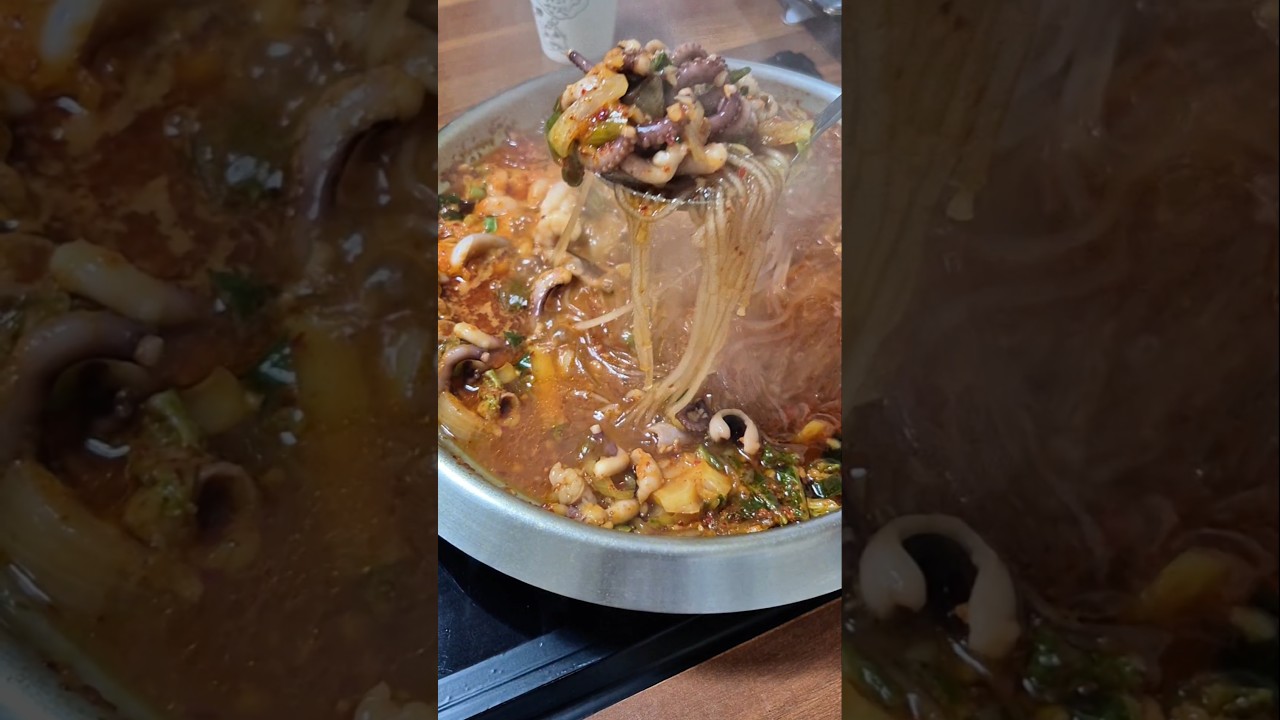
In the short 16-second video, focus on the overall appearance of the bibim jjamppong and the noodles and sauce. Noticing how much broth is visible and how the toppings are arranged can help you understand the dish. However, it’s best not to judge the heat level by color alone or assume the ingredients and cooking method based only on what you see on screen.
About this video
A short video featuring bibim jjambbong, a Korean-style mixed jjambbong noodle dish.
At a glance
| Published | 2026.06.27 |
|---|---|
| Length | 0:16 |
| Category | Shorts · DDungDDang Family |
Watch these next


Play the video
You can watch it right here.