 DDungDDang Family
Hawaii's Kīlauea Volcano 🌋
 Play the video
Hawaii’s Kīlauea Volcano: What to Know Before Visiting the Big Island
Background and tips the video could not fit in — written out.
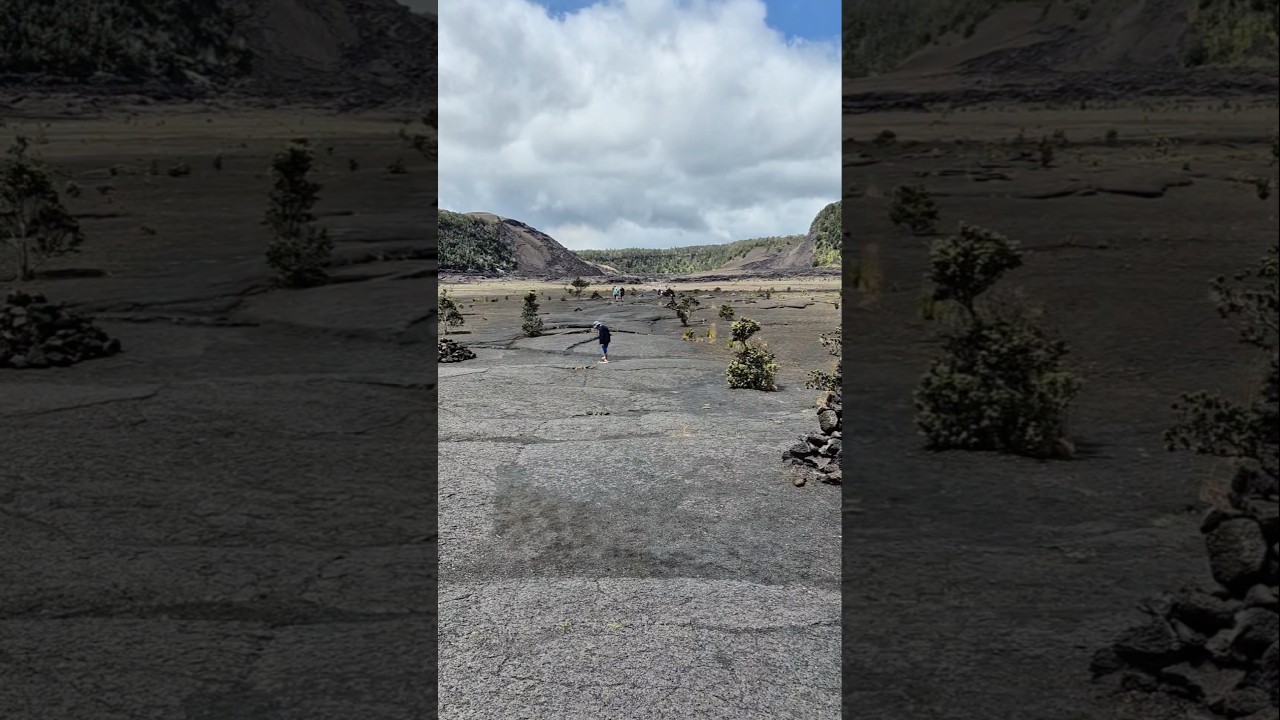
What is Kīlauea, Hawaii’s volcano, like? An 18-second video from ‘알콩달콩 뚱딴지네’ introduces Kīlauea on Hawaii’s Big Island through its title and tags. There’s no description, so we can’t tell where it was filmed or what the volcano was doing at the time. But learning about the volcano and some safety tips to know before your trip can make even a short video more interesting. 🌋
Where is Kīlauea?
Kīlauea is on Hawaii Island, the largest island in the Hawaiian archipelago, commonly known as the Big Island. It’s one of the best-known active volcanoes in Hawaiʻi Volcanoes National Park. Remembering that it’s on a different island from Honolulu on Oʻahu can help when planning your trip. A vacation in Hawaii doesn’t necessarily mean traveling around just one island.
A shield volcano, unlike a steep mountain
Kīlauea is a shield volcano formed by layers of relatively fluid basaltic lava. Shield volcanoes are generally broad, with gently sloping sides. Molten rock beneath the ground is called magma; once it reaches the surface, it’s called lava. Even fields of cooled, black lava are part of the landscape left behind by volcanic activity, so red-hot lava isn’t the only way to understand a volcano.
Does an active volcano always have visible lava?
The term “active volcano” doesn’t mean it’s always erupting or that you can always see red-hot lava. Whether it’s erupting and which areas are open for viewing can change over time. It’s best not to assume that a scene from an old video or photo will look the same today.
Before checking whether lava is visible, first check current volcanic activity and access restrictions.
Before visiting, check volcano updates from the U.S. Geological Survey (USGS) and official information from Hawaiʻi Volcanoes National Park. Also check official updates before your visit for facility hours, entrance fees, and whether roads and trails are open.
Safety tips for a family trip
In volcanic areas, watch out for volcanic gases, ground cracks, and unstable edges. Ground that looks solid may not necessarily be safe.
- Stay on designated paths and in viewing areas
- Follow barriers and instructions from park staff
- Wear protective footwear, bring water, and pack an extra layer in case the weather changes
- If you’re with children, keep a good distance from railings and edges
Volcanic gases can irritate your eyes and respiratory system. If you have a respiratory condition or other health concerns, talk to a medical professional before your trip.
Conversation starters for kids
Questions like “What does lava become when it cools?” and “How do volcanoes create islands?” can lead to a conversation about Earth science. The Hawaiian Islands are volcanic islands formed as the Pacific Plate moved over a hotspot. But the natural environment is something to observe, not a souvenir shop. Rather than taking rocks or other natural objects, it’s better to leave them where they are and capture your visit in photos and notes.
What to look for in the video
As you watch the 18-second video, look out for Kīlauea and its volcanic landscape. The title and tags alone can’t confirm whether lava is visible, when the footage was filmed, or the exact location. Take note of the colors and terrain in the video, but remember that current eruption conditions and visitor access should be checked against the latest official information.
About this video
A short video featuring Kīlauea, a volcano in Hawaii.
At a glance
| Published | 2026.10.04 |
|---|---|
| Length | 0:18 |
| Category | Shorts · DDungDDang Family |
Watch these next


Play the video
You can watch it right here.