 DDungDDang Family
How to Make Jeyuk Bokkeum
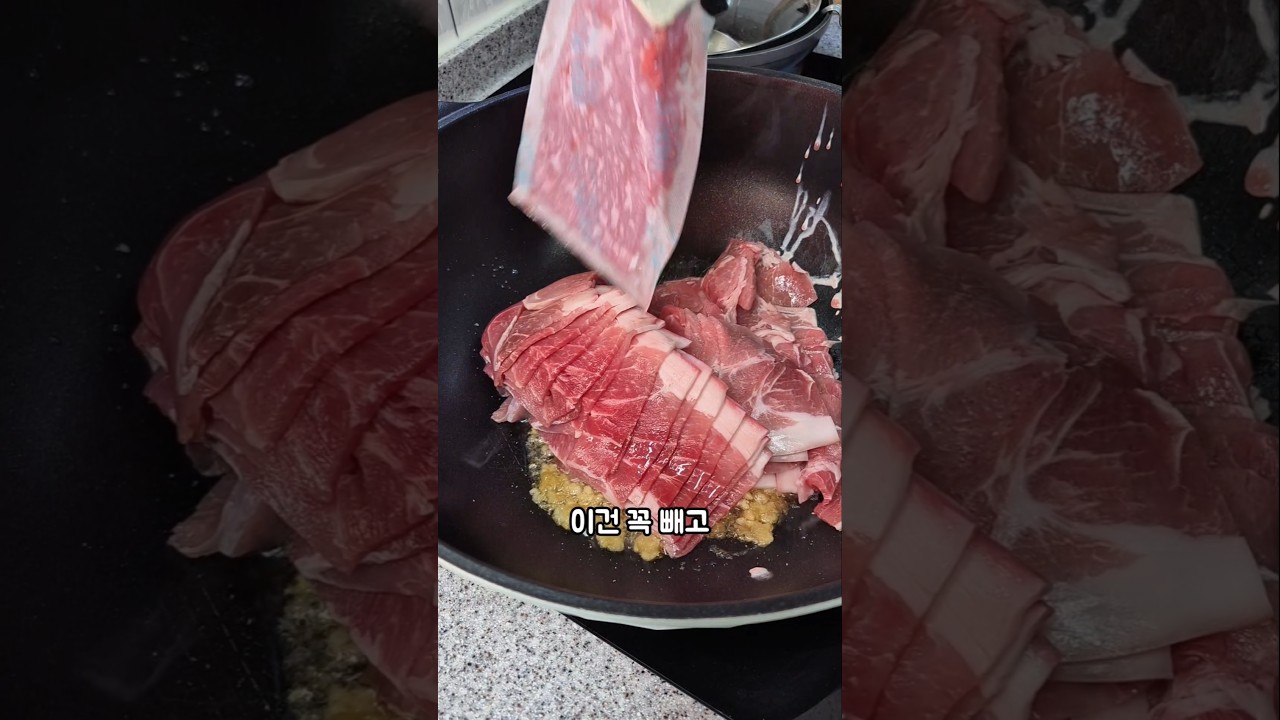 Play the video
Making Jeyuk Bokkeum with Pork Shoulder: From Marinade to Stir-Frying
Background and tips the video could not fit in — written out.
Jeyuk-bokkeum is a classic Korean side dish for rice, made by stir-frying pork with a sweet and spicy marinade. The title and tags of the 44-second video “Making Jeyuk-bokkeum” by Alkongdalkong Ttungttangji-ne indicate that it uses pork shoulder. Since there is no description, the exact ingredients and marinade proportions cannot be confirmed, but here are some basic principles and tips to help you avoid common pitfalls when making jeyuk-bokkeum at home.
Why use pork shoulder for jeyuk-bokkeum?
Pork shoulder has both lean meat and fat, making it a good choice for enjoying pork’s distinctive flavor and satisfying texture. However, the distribution of fat and connective tissue varies within this cut, so the texture can differ. For stir-frying, choosing pieces of even thickness makes it easier to cook them at the same rate. For a lighter result, look for a leaner cut; for a tender, richer flavor, choose one with a moderate amount of fat.
What to keep in mind when preparing and thawing
The best way to thaw frozen meat is in the refrigerator. Avoid leaving it at room temperature for a long time to thaw, and wash your hands and cutting board thoroughly after handling raw meat, before they come into contact with vegetables or cooked food.
- Gently pat excess moisture from the surface with a paper towel.
- Cut the meat into easy-to-eat pieces and keep them a similar thickness.
- Be careful when washing raw meat, as splashing water can contaminate nearby surfaces.
A balanced marinade matters more than a “perfect recipe”
A typical jeyuk-bokkeum marinade may include gochujang, gochugaru, soy sauce, garlic, and a sweetener. This is an example of a basic combination, not an ingredient list confirmed in the video. Gochujang contributes saltiness and thickness, while gochugaru adds heat and color, so the results can vary depending on the products you use. Vegetables also release sweetness, so it’s best not to add too much sugar or salty seasoning at the start.
Do not taste marinade that has touched raw meat. Check the seasoning only after the meat is thoroughly cooked.
How to stir-fry without making it watery
Adding too much meat and too many vegetables to the pan at once can lower the temperature and cause liquid to collect. Stir-frying in batches that fit your pan helps the moisture evaporate. If you’re adding water-rich vegetables such as onions or cabbage, adjust the amount so the pan doesn’t get overcrowded. Marinade can burn easily over high heat, so lower the heat if it starts sticking to the bottom. Don’t judge doneness by the color on the outside alone; make sure the thickest pieces are thoroughly cooked.
What to serve it with and how to store leftovers
Pairing spicy jeyuk-bokkeum with mild foods such as leafy greens for wraps, cucumber, or tofu makes for a well-rounded meal. If you’re eating with children, you can set some aside and cook it more mildly before adding the spicy marinade. This is a general serving tip, not a method shown in the video. Don’t leave leftovers at room temperature for long; divide them into shallow containers and refrigerate promptly. When reheating, take out only what you plan to eat and heat it thoroughly all the way through.
What to look for in the video
In this short video, pay attention to the thickness of the meat, the order in which the marinade is added, and how much is in the pan and how wet it looks. The title and tags alone don’t reveal exact measurements or cooking times, so it’s helpful to distinguish information shown in the video from general cooking tips.
About this video
A short video showing how to make spicy Korean stir-fried pork.
At a glance
| Published | 2026.06.03 |
|---|---|
| Length | 0:44 |
| Category | Shorts · DDungDDang Family |
Watch these next


Play the video
You can watch it right here.