 DDungDDang Family
Bukjijangsa Temple beside Palgongsan’s Clear Streams
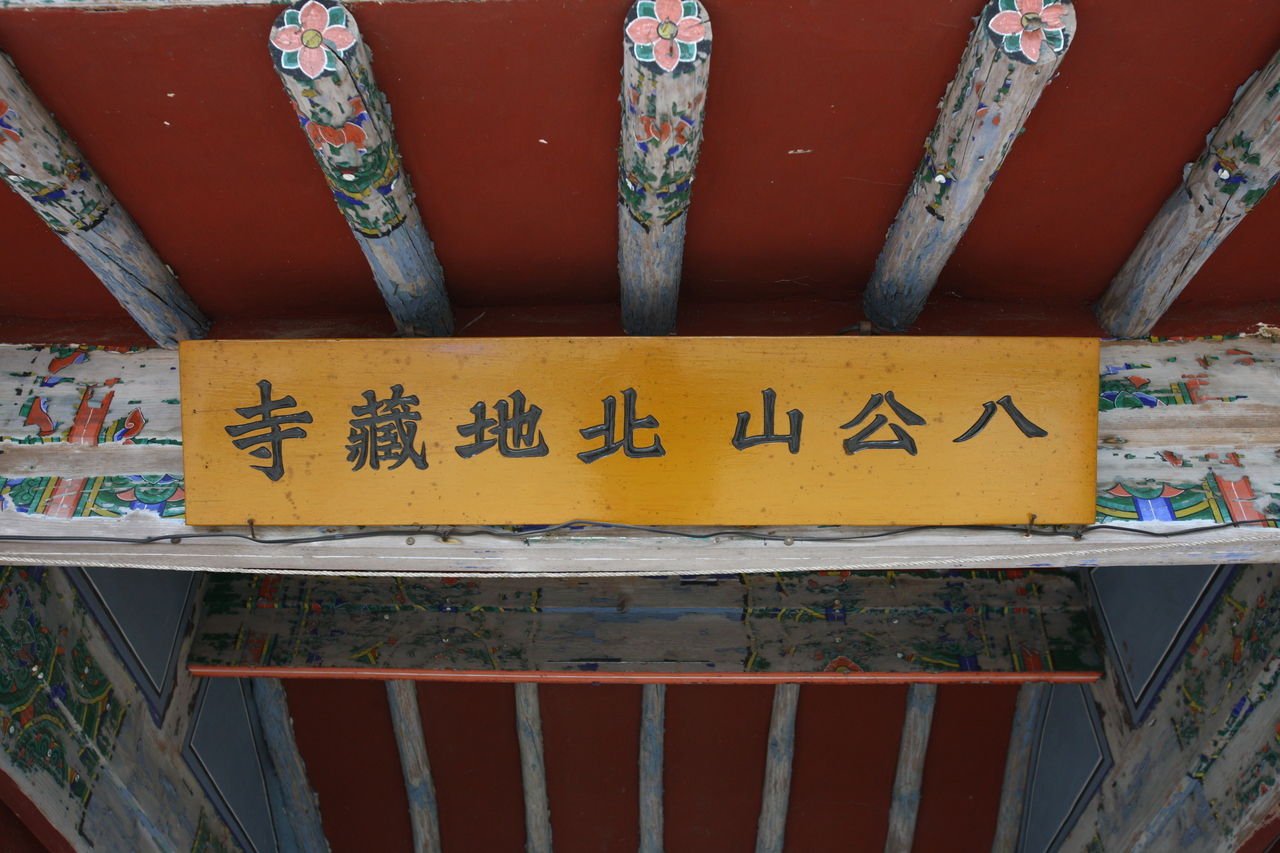
Bukjijangsa is a historic Buddhist temple beside Palgongsan’s clear streams and a walking-route endpoint.
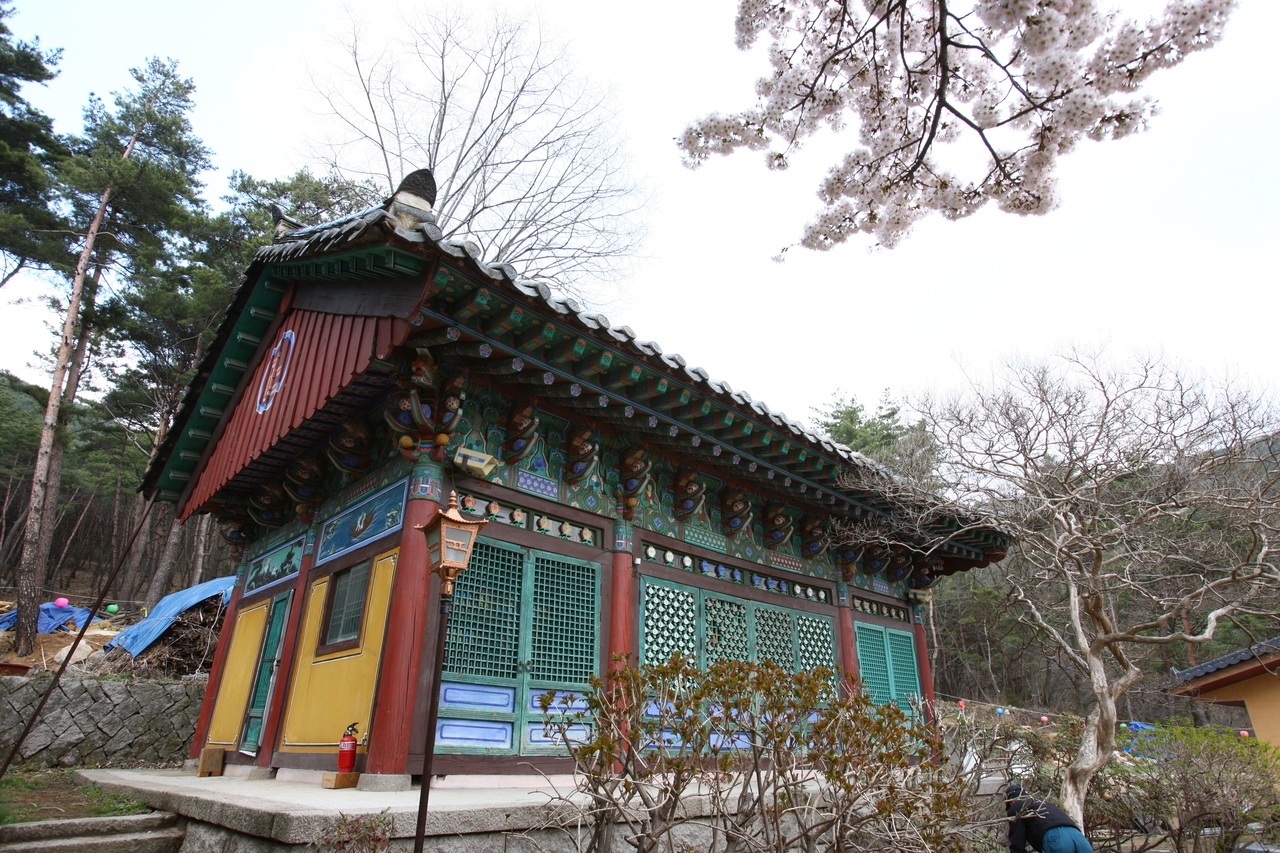
A temple with a long history
Bukjijangsa is a Buddhist temple on the banks of a clear stream on Palgongsan. It is a branch temple of Donghwasa, and is noted for a twin-pagoda layout characteristic of Unified Silla-era temples. Along with Donghwasa, it is recorded in the Samguk Yusa as Gongsan Jijangsa.
One founding legend dates the temple to 485, when the monk Geukdal founded it. Another account says it was named Bukjijangsa, meaning the northern Jijangsa, because it lay north of Daegu after Namjijangsa was established in Dalseong in 684. The temple’s later history is incomplete, though records and dated roof tiles suggest rebuilding in 1623 and repairs in 1665.
Halls and pagodas
The surviving buildings include Jijangjeon, Geungnakjeon, which now serves as the main Buddha hall, Samseonggak, Sansingak, and Cheonwangmun. Jijangjeon was built in 1623 and once served as the main hall after the original hall was destroyed by fire. Its distinctive interior framework resembles that of a pavilion, an unusual feature for a Buddhist hall.
Two pagodas stand in a row to the east of the main hall, facing south, and are thought to date from the Goryeo period. The area behind them was once the site of a worship hall, and stone relics remain scattered there. A monument in front of Jijangjeon also describes Bukjijangsa as an ancient Silla temple.
A walk through the pine forest
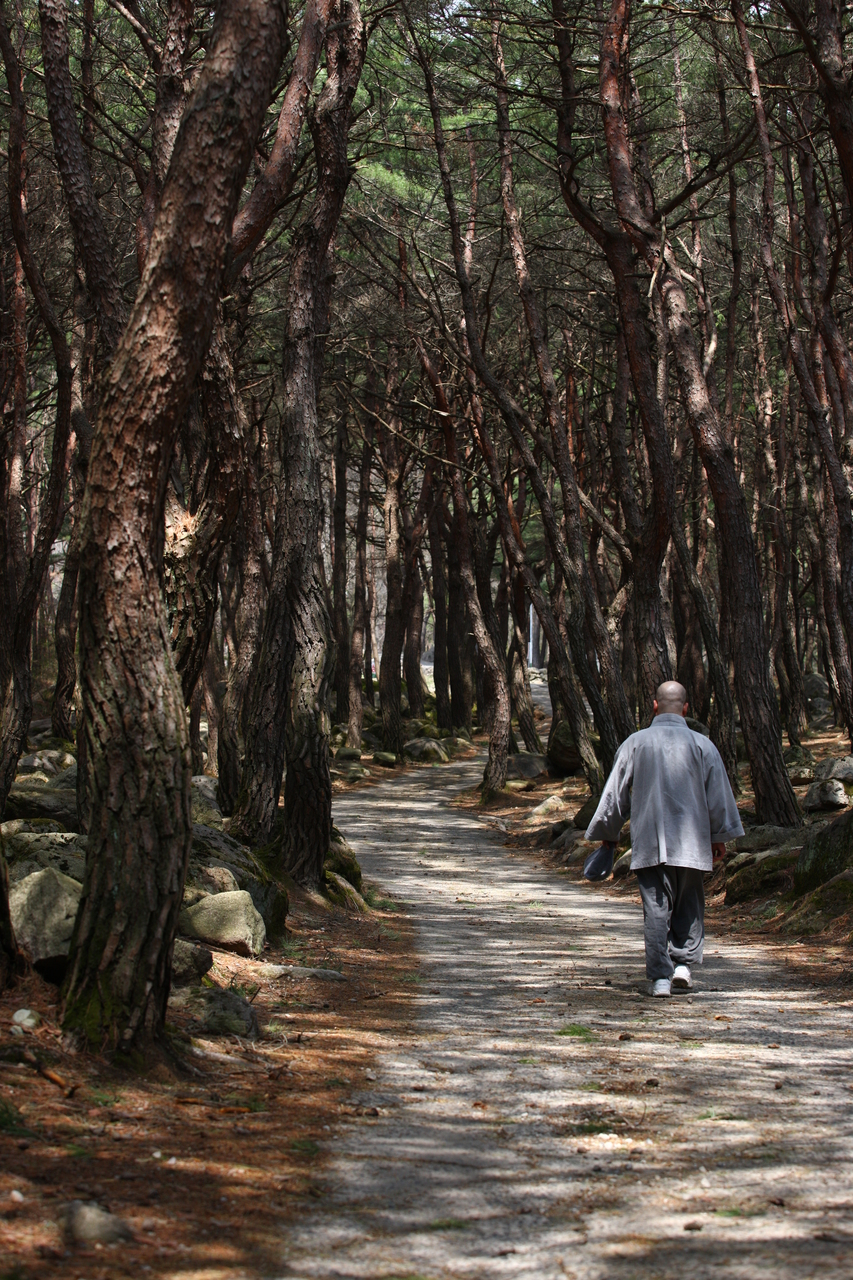
Bukjijangsa is the endpoint of Daegu Olle Palgongsan Course 1. The source describes the walk from the Bangjja Yugi Museum in Daegu’s Dong-gu as a suitable way to reach the temple on foot. The path to the temple is lined with pine forest that remains green throughout the year, and the scent of the pines accompanies the approach.
A pond within the temple grounds is bordered by an old willow tree. Together, the waterside setting and the quiet forest offer a calm pause along the route. Visitors can explore the temple buildings and pagodas as part of their walk, while bearing in mind that the source gives no specific visitor hours; check official notices before visiting.
Visitor information
The temple has no regular closing days, and parking is available. Its official address is 대구광역시 동구 도장길 243 (도학동). Check official notices before setting out for any details not provided here.
Fees, opening hours and closing days change with the season and circumstances. Please confirm the official notice before you set off.
Related photos

Travel with DDungDDang Family
Watch first, then go. Enjoy the DDungDDang Family travel videos.
Watch on YouTube