 DDungDDang Family
Gyeongbokgung Palace: Seoul’s Royal Heart and a Stage for BTS
Explore Joseon’s foremost royal palace, where historic halls, ponds and BTS performances meet.
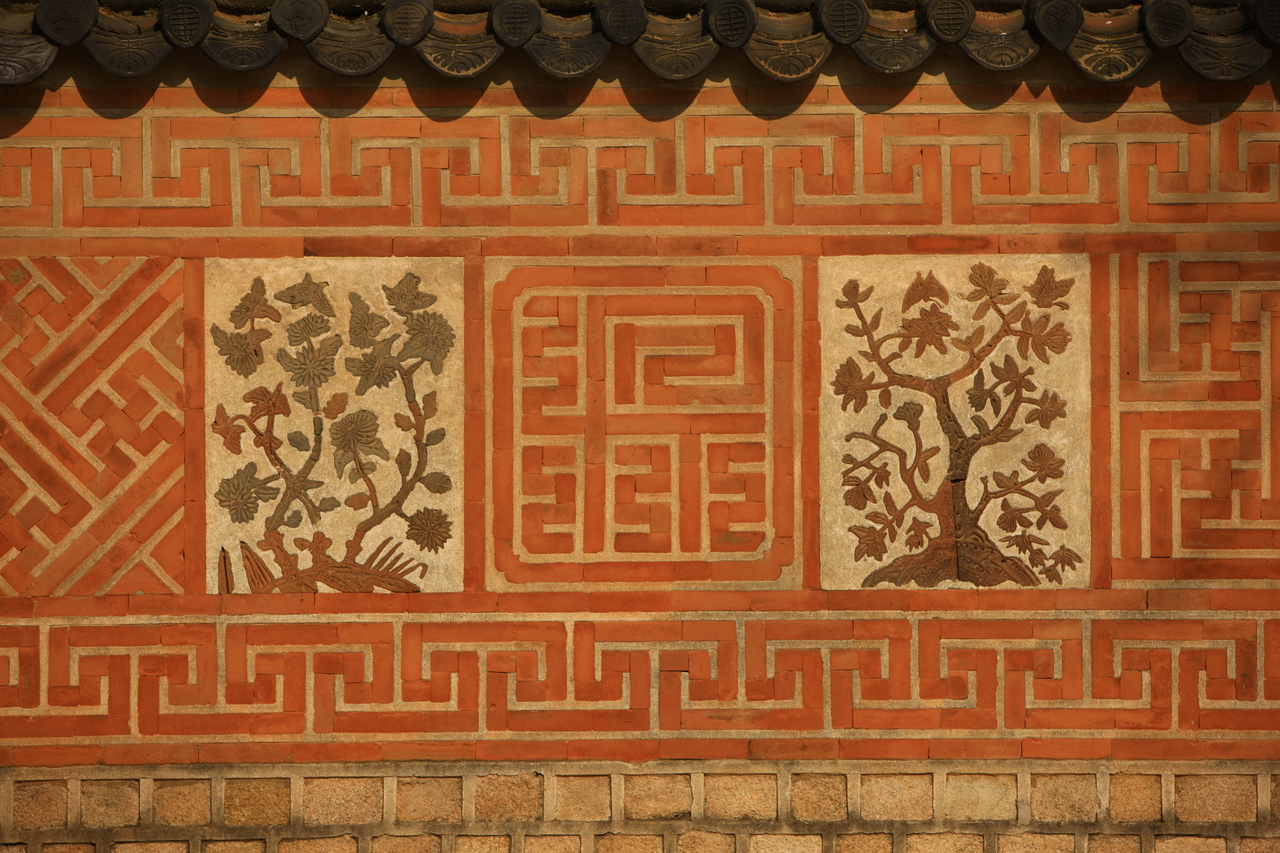
A palace at the heart of Joseon
Founded in 1395, three years after the establishment of the Joseon dynasty, Gyeongbokgung was the dynasty’s principal royal palace. Set on broad terrain with Baegaksan Mountain as its backdrop, it stood at the center of Hanyang, with a wide avenue extending before its main gate, Gwanghwamun. Its name expresses the hope that the new dynasty would enjoy great blessings and prosper.
The palace was also known as the Northern Palace because it lies north of Changdeokgung, the Eastern Palace, and Gyeonghuigung, the Western Palace. Hunminjeongeum, the writing system later known as Hangul, was created and proclaimed here during the reign of King Sejong. Kings who held accession ceremonies at Geunjeongjeon included Jeongjong, Sejong, Danjong, Sejo, Seongjong, Jungjong and Myeongjong.
Destruction, rebuilding and restoration
Gyeongbokgung was destroyed during the Japanese invasions of 1592 and remained unreconstructed for more than 270 years. It was rebuilt in 1867, during the reign of King Gojong. Buildings added in that era included Geoncheonggung, Taewonjeon and Jibokjae. Geoncheonggung’s Okhoru pavilion is also remembered as the place where Empress Myeongseong was killed in 1895.
After the annexation of Korea in 1910, the palace was systematically damaged. Most of its halls were removed in 1915, and the Japanese Government-General building, constructed in 1926, altered the palace’s setting. Restoration work began in earnest in the 1990s. The Government-General building was removed between 1995 and 1997, and areas including Heungnyemun, the sleeping quarters, Geoncheonggung, Taewonjeon and Gwanghwamun were restored.
Halls, ponds and cultural landmarks
Gyeonghoeru Pavilion and the pond at Hyangwonjeong remain in their original form. The raised platform and sculptures at Geunjeongjeon are noted examples of Joseon-era sculpture. Among the palace’s designated cultural properties are Geunjeongjeon and Gyeonghoeru, as well as Jagyeongjeon, its Ten Longevity Symbols chimney, the chimneys of Amisan, Geunjeongmun Gate and its corridors, and a wind-measuring instrument called a punggi-dae.
The National Palace Museum of Korea is just outside Heungnyemun on the west side, while the National Folk Museum of Korea is east of Hyangwonjeong inside the palace. These locations offer visitors additional ways to encounter the history and culture associated with Gyeongbokgung.
BTS performances and visiting information
Gyeonghoeru and Geunjeongjeon drew international attention when BTS performed there for “BTS Week” on the US television program The Tonight Show Starring Jimmy Fallon. The group performed “Mikrokosmos” and “IDOL,” songs from the mini-album Map of the Soul: Persona. The performances, set against the palace illuminated in purple light, brought a contemporary music moment to this historic setting.
Opening hours vary by season: January–February and November–December, 09:00–17:00, with last admission at 16:00; March–May and September–October, 09:00–18:00, with last admission at 17:00; and June–August, 09:00–18:30, with last admission at 17:30. The palace is generally closed on Tuesdays. If a regular closure falls on a public holiday or substitute holiday, it opens that day and closes on the first following non-holiday; check the official notice before visiting for current details. Parking is available for 240 passenger cars and 50 buses. Address: 서울특별시 종로구 사직로 161 (세종로).
Fees, opening hours and closing days change with the season and circumstances. Please confirm the official notice before you set off.
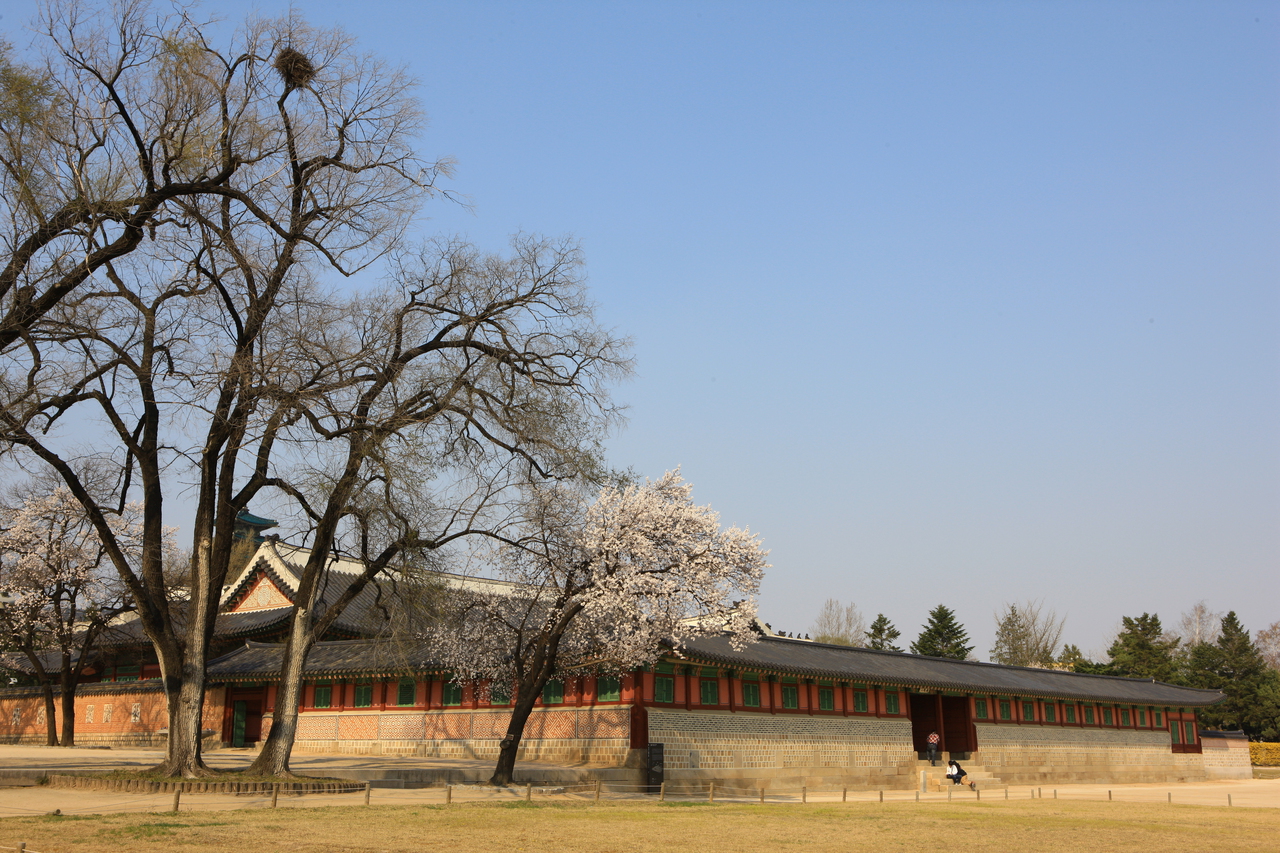
Related photos

Travel with DDungDDang Family
Watch first, then go. Enjoy the DDungDDang Family travel videos.
Watch on YouTube